Understanding יְהוָה (യഹോവ) and the Different Meanings of "LORD," "Lord," and "lord" in the Bible
In English Bible translations, the words "LORD," "Lord," and "lord" do not always mean the same thing. They represent different Hebrew or Greek words from the original Biblical texts. Understanding these differences helps readers grasp the deeper meaning intended in Scripture.
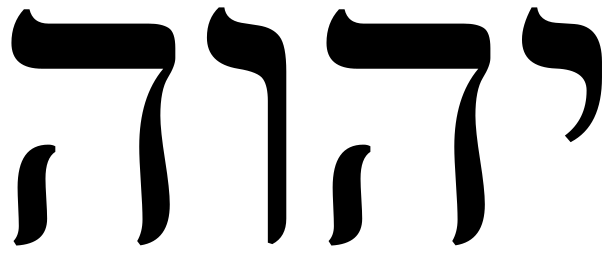
1. LORD (All Capitals)
Hebrew Source: יְהוָה (YHWH / യഹോവ)
Meaning: The Eternal One, The Self-Existing One, നിത്യനായവൻ, സ്വയം നിലനിൽക്കുന്നവൻ
The name יְהוָה is traditionally associated with meanings such as:
- "The Eternal One"
- "The Self-Existing One"
- "The One Who Is"
- "നിത്യനായവൻ"
- "സ്വയം നിലനിൽക്കുന്നവൻ"
- "ആയിരിക്കുന്നവൻ"
This divine name comes from Hebrew roots connected with existence and eternal being. Therefore, when the Bible says "LORD God," it is not merely using a title, but referring to God's personal and eternal name.
Example:
English: "The LORD God formed the man from the dust of the ground." (Genesis 2:7)
Malayalam: "യഹോവയായ ദൈവം മനുഷ്യനെ മണ്ണിൽ നിന്നു രൂപപ്പെടുത്തി."
Or with meaning emphasis: "നിത്യനായ ദൈവം മനുഷ്യനെ മണ്ണിൽ നിന്നു രൂപപ്പെടുത്തി."
Here, "LORD" refers specifically to יְהוָה (യഹോവ), the eternal covenant name of God.
2. Lord (Capital L, small rest)
Hebrew/Greek Source: Usually Hebrew: אֲדֹנָי (Adonai), Greek: Κύριος (Kyrios)
Meaning: Master, Sovereign, Ruler
This form is often used as a respectful title for someone who represents God, and sometimes for Jesus in the New Testament.
Example:
English: "The LORD said to my Lord: 'Sit at my right hand.'" (Psalm 110:1)
In this verse, two distinct persons hold the title of "Lord." The distinction becomes clear when examining the original Hebrew names used in the text.
The Identity of Each "Lord"
The First LORD (All Caps): This is God the Father. The Hebrew text uses the tetragrammaton YHWH (Yahweh), God's covenant name. English Bibles print this in all capital letters as LORD.
The Second Lord (Lower Case): This is the Messiah (Jesus Christ). The Hebrew text uses the word Adoni, which translates to "my lord" or "my master." David uses this title to refer to a figure superior to himself.
The Meaning of the Verse
The phrase translates to: "Yahweh said to my Master (the Messiah): 'Sit at my right hand.'"
Malayalam: "യഹോവ എന്റെ ഗുരുവിനോട് (മിശിഹായോട്) പറഞ്ഞു."
In many contexts, "Lord" emphasizes authority and rulership rather than the personal divine name יְהוָה.
3. lord (Lowercase)
Meaning: Human master, Owner, King, Person of authority
This usage refers to humans, not God.
Example:
English: "Sarah obeyed Abraham and called him her lord." (1 Peter 3:6)
Malayalam: "സാറാ അബ്രാഹാമിനെ 'യജമാനൻ' എന്നു വിളിച്ചു."
Here "lord" simply means a human superior or master.
Why the Difference Matters
Modern readers often assume all three words mean exactly the same thing, but the original Biblical languages make clear distinctions.
- LORD (יְהוָה / യഹോവ): The Eternal One
- Lord (Adonai / Kyrios): Master, Sovereign
- lord (Human authority): Master, Ruler
Because English translations sometimes hide these distinctions, readers may miss important theological meaning in the text.
For example, Genesis 2 repeatedly says "LORD God." In Hebrew this is יְהוָה אֱלֹהִים, "YHWH Elohim." A meaning-focused rendering could therefore be understood as "The Eternal One, God..." or in Malayalam: "നിത്യനായ ദൈവം..." This preserves the depth of the original Hebrew idea that God is not merely a ruler, but the eternally existing source of all life and creation.
Malayalam Reflection
In Malayalam Bibles, "LORD" is often translated simply as "കർത്താവ്." While correct in many contexts, the deeper identity behind יְהוָה (യഹോവ) can become less visible. Explaining it as "നിത്യനായവൻ" ("The Eternal One") helps readers understand the richness of the Hebrew Scriptures more clearly.
Thus, "യഹോവ" is not merely a title. It reveals God as the One who eternally is, was, and will be.